EN
How to Choose the Right Diesel Generator for Your Power Needs
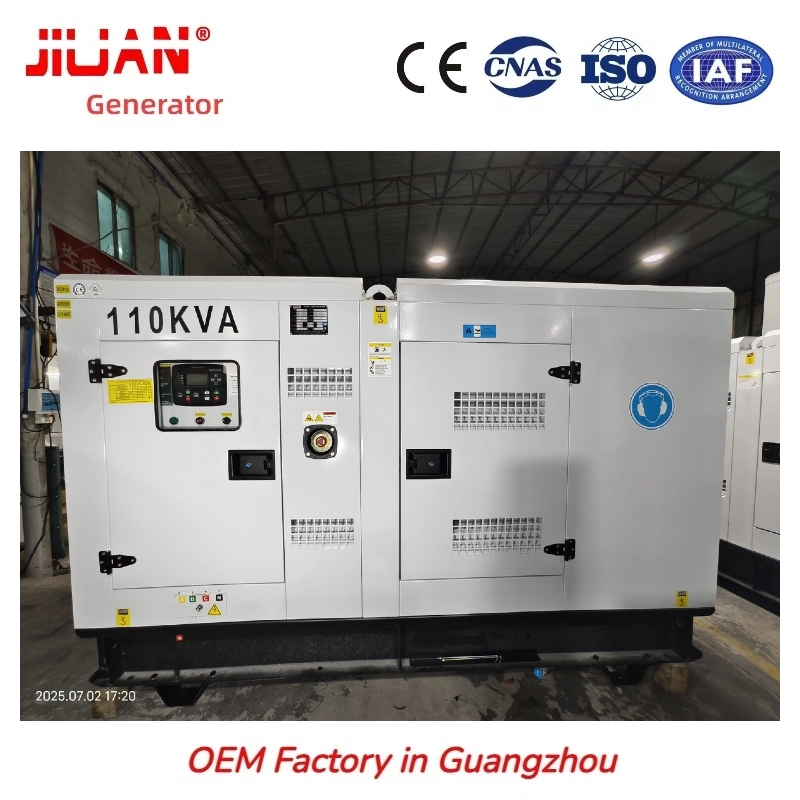
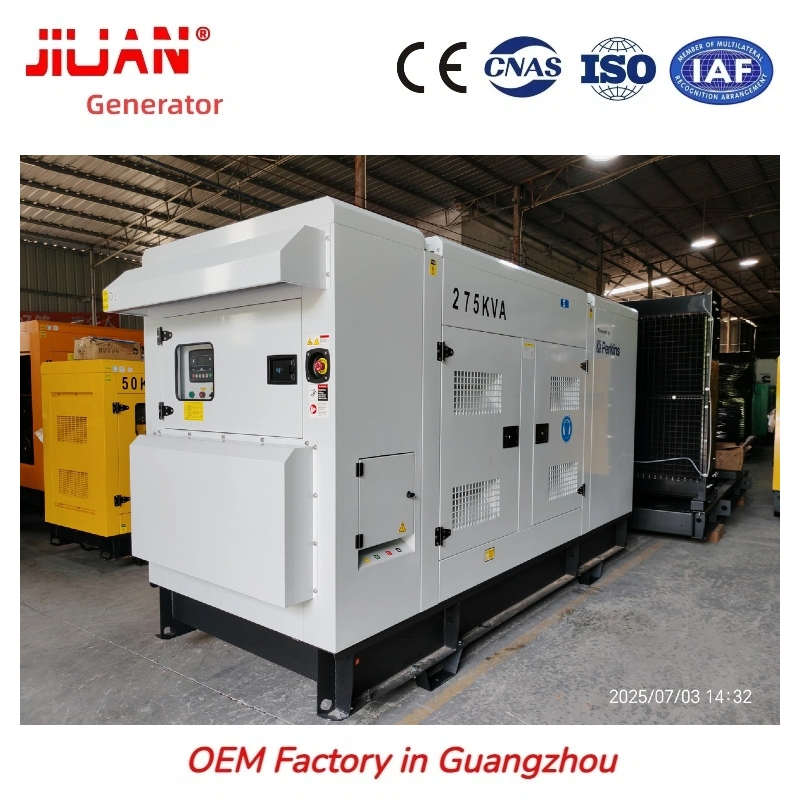
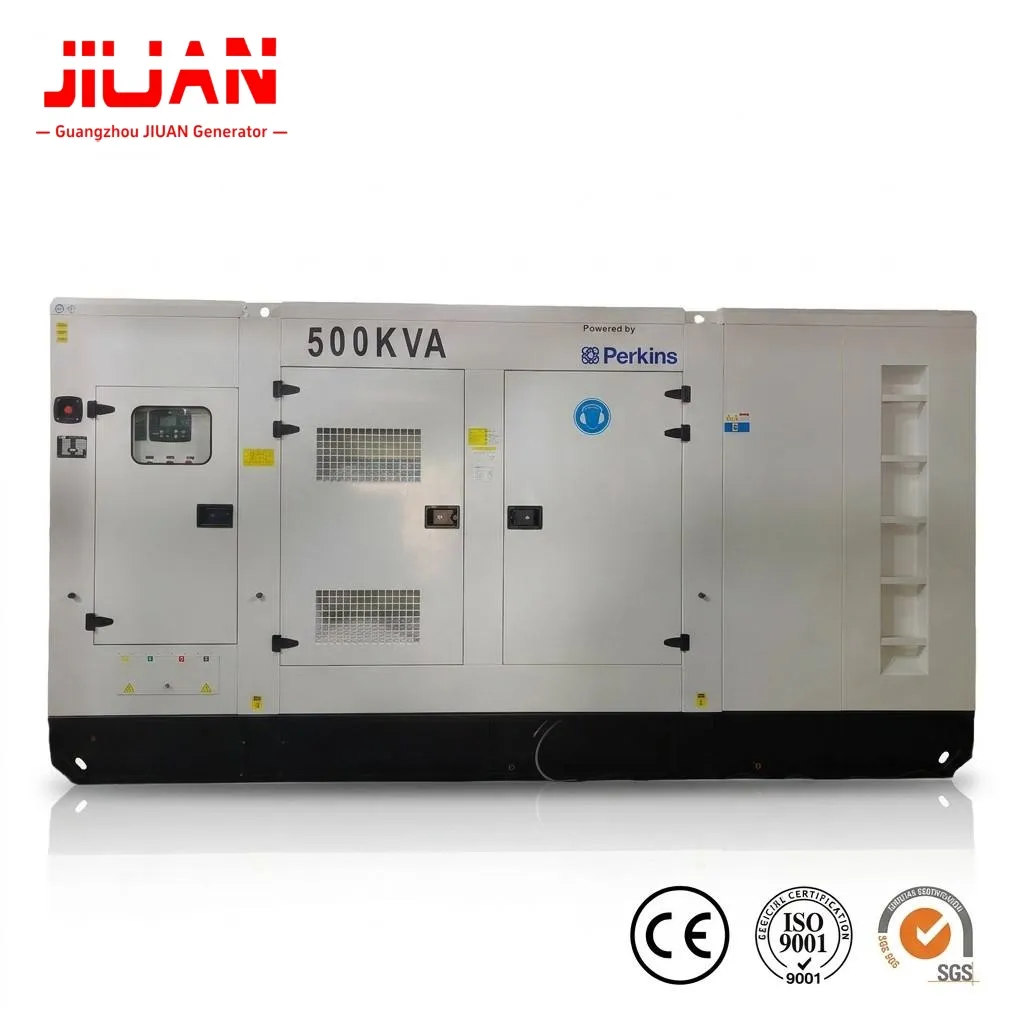
Choosing a diesel generator does not mean simply picking the highest power rating printed on a shiny brochure. For any distributor, contractor, or isolated site manager, the right diesel generator selection starts with analyzing the actual energy required, the operational duty cycle, and the specific terrain constraints. An oversized industrial generator can lead to heavy operating and maintenance penalties, while an undersized unit will struggle during motor starts, trigger constant protective trips, and wear out prematurely.
A structured purchasing process is essential for B2B applications, whether you need a backup power supply for a commercial building, a mobile unit for a construction site, or a prime energy source for a remote industrial generator operation. Before requesting a quote, preparing a detailed load list and describing your operational site are the two critical steps that make any diesel generator set selection truly defensible and reliable.
Start with the Load Profile Instead of Just kVA Figures
Begin by listing every electrical consumer on site: lighting, water pumps, compressors, welding equipment, air conditioning units, conveyor belts, and IT infrastructure. Note each device's running rating, starting method, and working schedule. Simply adding up the nameplate figures is never enough. Electric motors draw a massive inrush current during startup that vastly exceeds their steady running state, meaning simultaneous motor starts can impose a far heavier strain than the total running load.
To properly size a diesel generator, separate three core metrics: expected continuous load, predictable peak load, and starting current surges. Always investigate whether loads can be staggered. Starting a heavy water pump after all auxiliary systems are already running creates a far more stable setup than buying an oversized industrial generator based purely on a theoretical combined peak. Experienced engineering teams and top-tier manufacturing suppliers like JIUAN always verify these dynamic scenarios against motor characteristics and control panel parameters.
-
Record running kilowatts and active power factors for all machinery.
-
Identify which motors use direct-on-line, star-delta, or soft-starter systems.
-
Note critical loads that must remain active without interruption.
-
Build a reasonable safety margin for future expansion instead of adding arbitrary reserves.
Select the Appropriate Power Rating Category
A backup diesel generator is rarely suitable for heavy daily primary operations. Standard international classifications—such as standby, prime, and continuous duty—reflect entirely different load profiles and running hour limits. ISO 8528-1 provides a universal reference framework distinguishing ratings like ESP, LTP, PRP, and COP. You must review the technical datasheet alongside the declared power selection rather than blindly relying on a single kVA figure.
If your public grid fails only a few hours each year, a standby rating fits your facility perfectly. If your site operates regularly without grid power or handles a highly fluctuating load profile, a prime duty rating is mandatory. For stable, 24/7 continuous operations, a dedicated continuous rating requires careful system study. Always confirm with your supplier how the proposed industrial generator power rating is calculated and whether it aligns with your annual operating hours and average load profile.
Verify Real-World Site Environmental Conditions
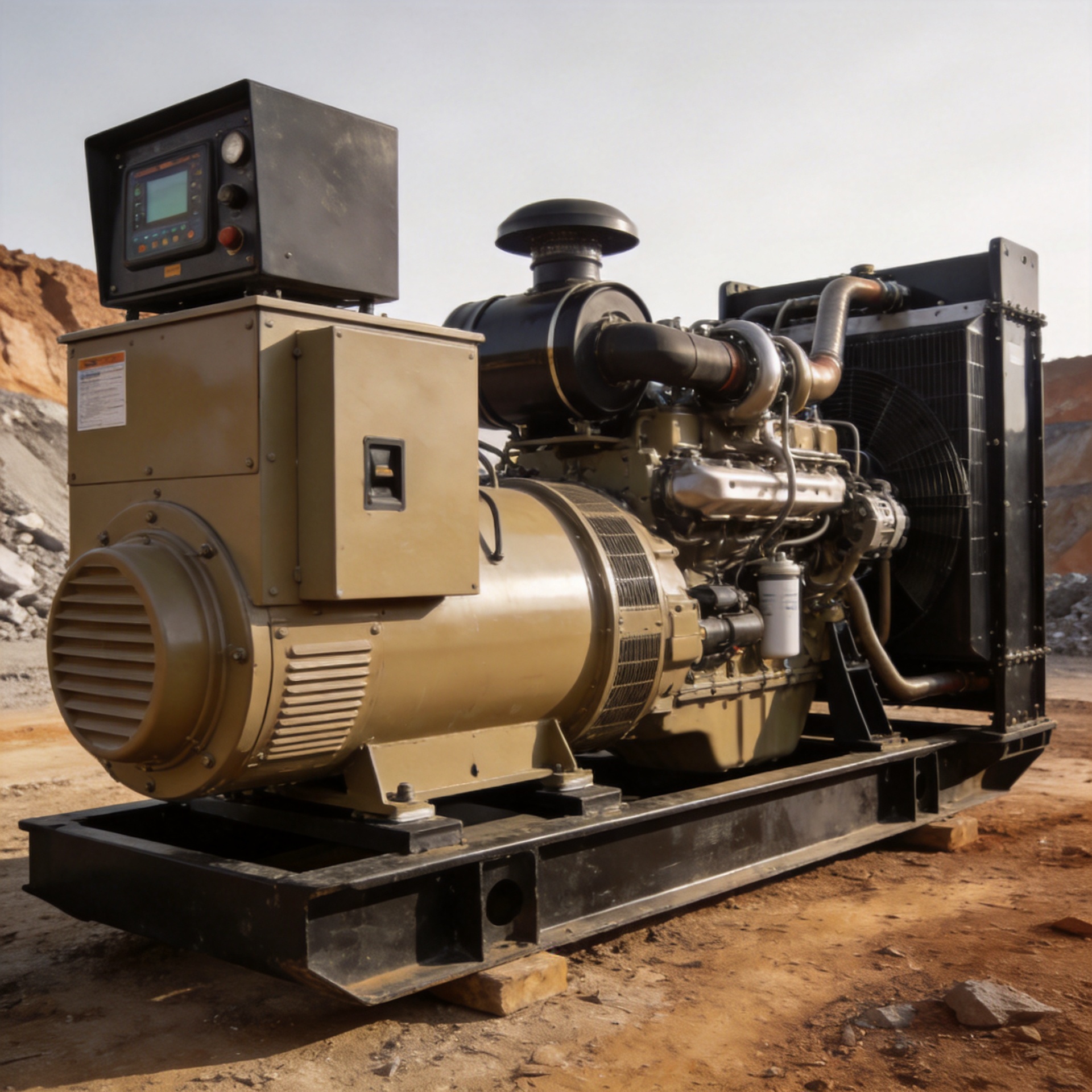
The advertised power output of any diesel generator depends heavily on standard reference test conditions. Ambient temperatures, high altitudes, relative humidity, airborne dust, and local ventilation paths directly alter available capacity and cooling requirements. A unit installed inside a tight container, a confined machinery room, or a dusty mining zone must dissipate massive amounts of heat while breathing clean intake air.
Provide your supplier with exact site altitudes, seasonal temperature peaks, layout floor plans, and acoustic limits. Check the physical clearance around the radiator, the exhaust routing, filter access points, and refueling logistics. For outdoor diesel generator set installations, protect the enclosure against heavy rain, windborne sand, salt corrosion, and potential flooding. These environmental factors dictate your enclosure design, filtration standards, fuel tank size, and skid framework.
Match the Alternator and Control System to Your Equipment
An isolated diesel engine alone cannot solve complex power quality challenges. The alternator, automatic voltage regulator, electronic governor, and digital control panel must seamlessly handle anticipated load shifts. Heavy motor-driven loads or nonlinear devices like variable frequency drives and uninterruptible power supplies demand rigorous attention to transient behavior and harmonic distortion.
When a diesel generator powers a busy workshop or a critical facility, verify the exact voltage, frequency, single-phase or three-phase configuration, earthing system, and protection schemes. Never assume standard local utility specifications are identical across developing regions in Africa or South America. Confirm all project requirements with a certified electrical engineer and local authorities before locking in the order.
Evaluate Total Cost and Long-Term Operation
Purchase price alone is a poor metric for comparing a diesel generator. Evaluate fuel consumption under your specific load profile, fuel tank autonomy, maintenance intervals, spare parts availability, and daily service access. A configuration that is simple to inspect and maintain significantly reduces downtime in remote locations, provided your local operational team receives proper training.
For projects operating across challenging global regions, anticipate consumable shipping lead times, local fuel quality variations, and technical skill levels. Request commissioning training covering startup sequences, warning alarms, fluid checks, and safety procedures. A diesel generator set delivers maximum reliability when operational responsibilities are crystal clear right from handover.
Essential Steps Before Submitting Your Final Order
-
Validate your complete load list, surge peaks, and startup sequencing.
-
Choose the appropriate power rating category based on annual operating hours.
-
Confirm exact voltage, frequency, phase balance, and ATS control logic.
-
Transmit precise site altitude, ambient temperature, dust levels, and noise limits.
-
Define fuel autonomy requirements and preventive maintenance schedules.
-
Request factory acceptance test documents, wiring diagrams, and recommended spare parts lists.
Transform Your Inquiry into an Actionable Technical Specification
A detailed inquiry dramatically accelerates quotation comparisons. Specify your exact application, load profile, motor starting methods, site conditions, desired rating category, and control options. Leading industrial providers like JIUAN structure technical discussions around these precise operational parameters for global distributors, contractors, enterprises, and mining operators. The objective is never to sell a generic industrial generator, but to deliver a dependable diesel generator perfectly matched to your exact project demands, supported by