What is a diesel generator set and how does it work?
A reliable and robust source of backup and primary electrical power is essential for maintaining continuous operations in residential, commercial, telecommunications, and industrial environments when unexpected grid interruptions occur. At the heart of most dependable emergency and auxiliary power systems is a high-performance diesel generator set, which converts the chemical energy stored in diesel fuel into mechanical energy and ultimately into stable electrical energy. Understanding how these mechanical and electrical systems operate helps facility managers, engineers, and homeowners select the right configuration for their backup power requirements. Whether operating in remote construction job sites, agricultural facilities, or safeguarding critical commercial infrastructure against sudden blackouts, these units provide seamless power transitions and consistent electrical output under varying load demands, ensuring that vital electronic devices, lighting systems, and heavy machinery continue functioning without interruption. Every installed diesel generator set is engineered to deliver dependable performance when it matters most.
Comprehensive Definition and Core Mechanical Components
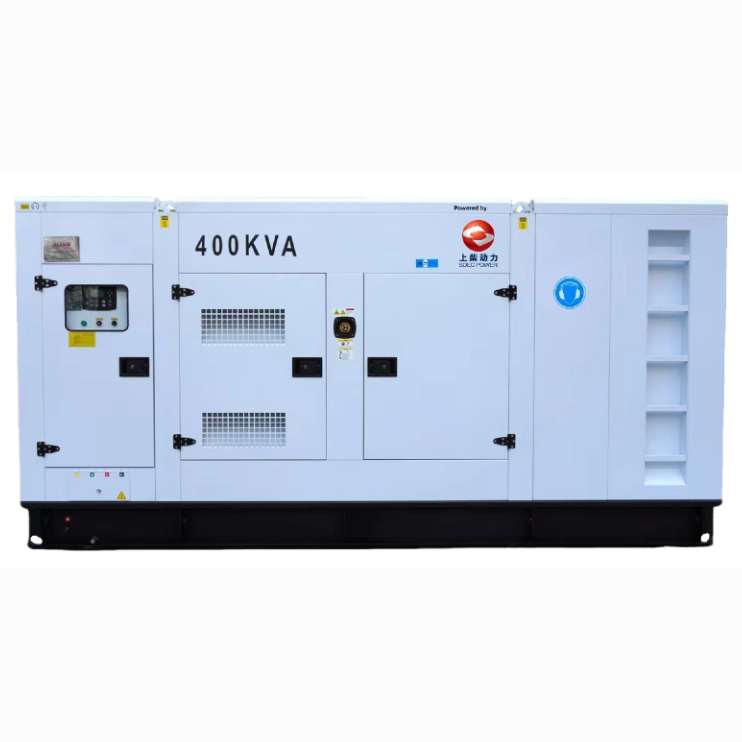
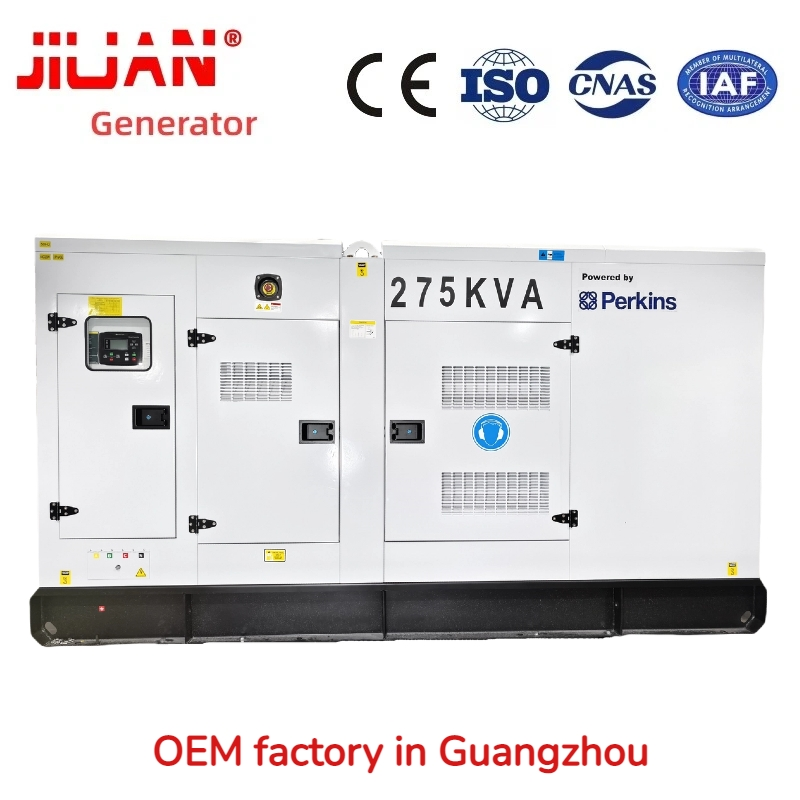
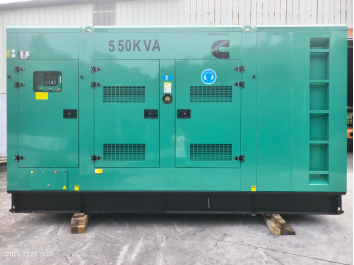
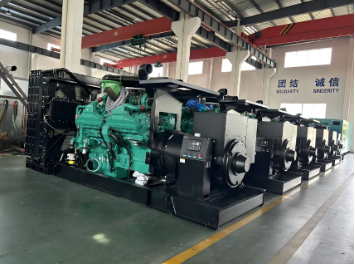
A standard diesel generator set combines an internal combustion engine that burns diesel fuel with an electrical generator, commonly referred to as an alternator, mounted securely together on a heavy-duty structural steel base frame. Unlike gasoline-fueled engines that rely on electric spark plugs to ignite fuel, diesel variants operate entirely via compression ignition, compressing intake air inside the cylinder until it reaches an extreme temperature that instantly ignites injected diesel fuel. The primary structural assembly of the unit includes a robust cast-iron engine block, an integrated base fuel tank or external fuel supply connection, a high-pressure fuel injection system, air intake and exhaust manifolds, a heavy-duty cooling radiator with an engine-driven fan, a lubrication oil pump, and an advanced electronic control module. Every individual component is meticulously engineered to withstand heavy mechanical stress, ensuring extended service intervals and high reliability during continuous prime power generation or emergency standby operations. Choosing a well-constructed diesel generator set minimizes unexpected downtime.
Mechanical Operation and Energy Conversion Process
The power generation cycle begins when the internal combustion engine draws ambient air into its combustion chambers through high-efficiency air filters, compressing the air tightly until high heat is generated within the cylinder. High-pressure mechanical or electronic fuel injectors then spray atomized diesel fuel directly into the hot compressed air, producing a controlled combustion event that forces the heavy-duty pistons downward with tremendous force. This linear piston movement rotates the heavy crankshaft, converting reciprocating kinetic energy into rotational mechanical energy that drives the coupled alternator rotor shaft. Inside the alternator, a magnetized rotor spins rapidly inside a stationary stator winding, inducing an alternating electrical current through the principles of electromagnetic induction. An automatic voltage regulator continuously monitors this electrical output voltage, adjusting the excitation current in real time to maintain steady voltage parameters regardless of fluctuating electrical loads connected to the system. During operation, each diesel generator set maintains stable electrical parameters.
Essential Operational Safety and Control Features
Modern diesel generator systems incorporate sophisticated digital controllers and comprehensive safety protection mechanisms designed to monitor vital operational parameters in real time and protect equipment from damage. The electronic control panel continuously tracks critical metrics such as coolant temperature, lubricating oil pressure, battery charging voltage, engine rotational speed, and total running hours to prevent catastrophic mechanical failure during operation. If any operational reading exceeds safe pre-programmed manufacturer thresholds—such as dangerously low oil pressure or excessively high coolant temperatures—the control system automatically triggers audible and visual alarms or safely shuts down the engine. Additionally, integrated molded-case circuit breakers protect connected downstream electrical equipment from short circuits and electrical overloads, ensuring safe operation for operational technicians and safeguarding sensitive facility assets across every deployed diesel generator set.
Key Factors in Selecting the Right Power Unit
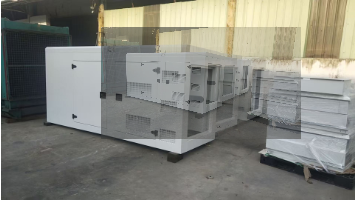
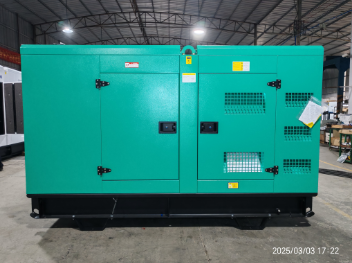
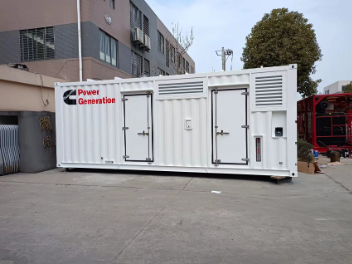
Choosing an appropriate diesel generator set requires careful evaluation of electrical load requirements, operational duty cycles, installation space constraints, and environmental compliance standards. Facilities must calculate their total running wattage and account for peak startup surges induced by heavy inductive loads such as electric motors, pumps, and large industrial compressors. Environmental factors such as ambient operating temperature, installation altitude, and acoustic noise limitations also dictate whether an open-skid frame configuration or a weather-resistant soundproof enclosure is necessary for optimal performance. By matching the prime power output capacity and fuel consumption rates to actual facility demands, operators maximize fuel efficiency, reduce long-term maintenance costs, and extend the overall operational lifespan of their power generation equipment.
Comprehensive Maintenance and Operational Longevity
Furthermore, regular preventive maintenance routines—including periodic fluid checks, filter replacements, battery inspections, and routine load bank testing—play a pivotal role in ensuring that the diesel generator set remains in optimal working condition throughout its operational lifecycle. Proper upkeep guarantees immediate response capability during unexpected power emergencies while preventing common issues such as carbon buildup and wet stacking. Facility technicians must maintain comprehensive service records and inspect cooling systems regularly to guarantee reliable performance across all operating conditions and demanding environments. Ultimately, investing time in understanding these technical fundamentals empowers organizations to make informed purchasing decisions and maintain robust emergency preparedness for years to come.
 EN
EN