EN
Direct Export
18+ Years Factory Experience
2026/11/04
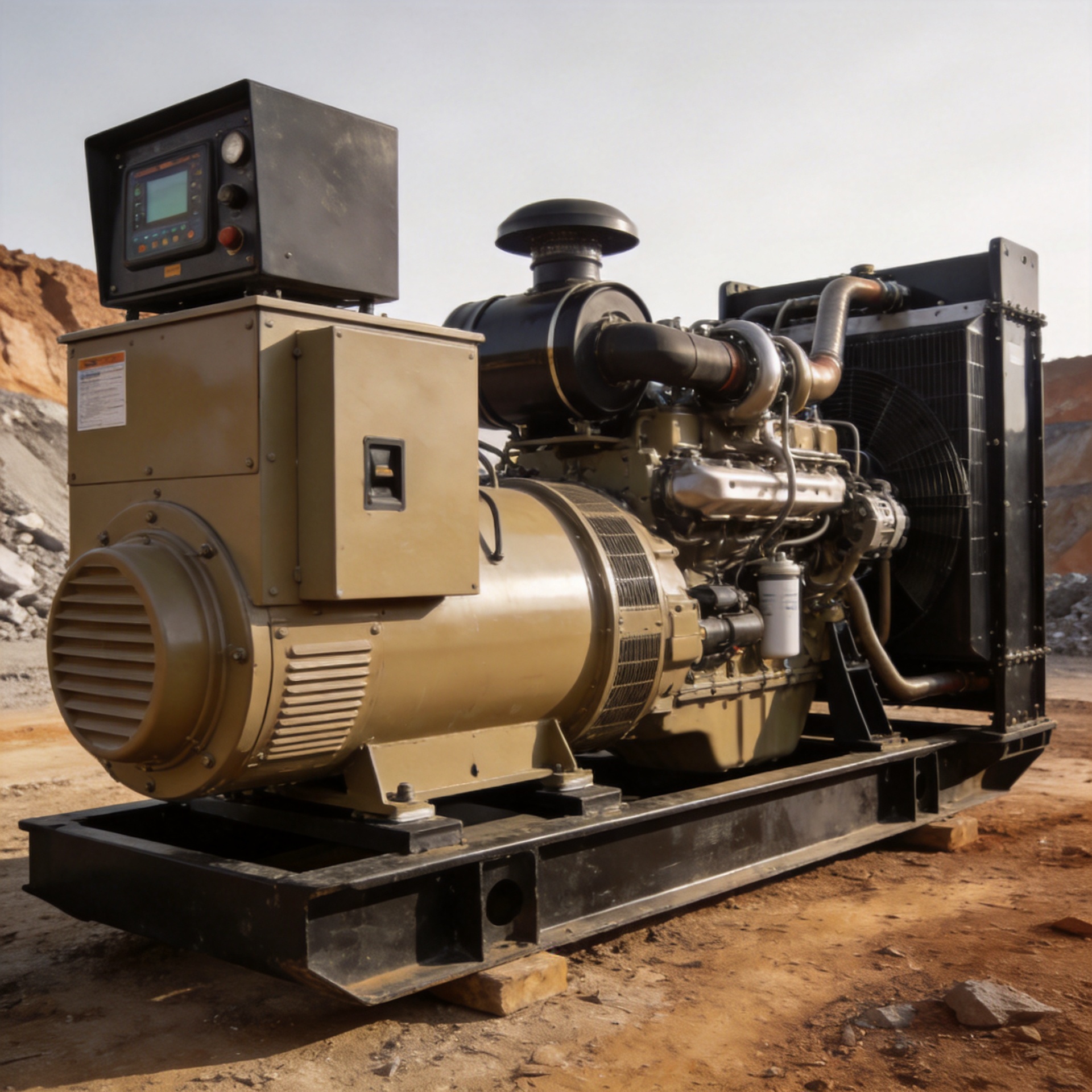
A generator for mining is efficient when it converts fuel into useful, stable power under the load pattern and site conditions it will actually face. That takes more than selecting a set by nameplate rating alone. A mine may run crushers, pumps, lighting, workshops, ventilation, communications, and temporary exploration equipment on very different schedules. Dust, heat, altitude, long fuel runs, and limited maintenance windows add further pressure.
From a technical selection adviser’s perspective, the first task is to map the load, environment, and service conditions before comparing engines. A right-sized diesel set can help a site control fuel use per unit of work and maintain usable power quality. An oversized or poorly configured unit can spend long periods at light load, while an undersized one may struggle with motor starts and transient demand. This guide explains the checks that turn a generator for mining from a nominal power source into a practical work asset.
Mining loads rarely stay flat all day. A dewatering pump may be steady, while a conveyor, compressor, drill, or crusher introduces changing demand. Efficient planning begins with a load survey covering continuous load, intermittent load, motor starting demand, and the likely sequence of starts. Record both kW and kVA, then ask whether the proposed unit can manage the power factor and transient response required by the site.
Load factor matters because diesel fuel use is not a straight line: a set operating at half load does not necessarily consume half its full-load fuel. General industry guidance often places the more economical operating zone around 70–85% of rated capacity, but this is a planning reference rather than a universal operating target. The engine maker’s fuel curve, alternator data, ambient derating, and the mine’s duty cycle should decide the final range.
Where demand varies widely, a staged arrangement can be worth evaluating. Multiple sets, properly controlled, may allow the operating unit to stay nearer its suitable load band while another unit remains available for peak demand or contingency. The decision still needs a project-level calculation; it is not an automatic answer for every mine.
Average consumption is only one part of sizing a generator for mining. Large induction motors and cyclical process loads can cause voltage and frequency dips if the engine and alternator response is not matched to the starting method. The equipment list should state which motors use direct-on-line starting, soft starters, or variable-speed drives. It lets the supplier model the step load rather than rely on one average figure.
Site conditions can reduce available output. High ambient temperature, elevation, restricted airflow, and enclosure layout may all affect the usable rating. Confirm the rating basis in writing: standby and continuous-duty ratings are not interchangeable. For a set expected to carry production loads for long hours, ask for a duty rating aligned with that operating pattern and confirm any applicable derating assumptions.
| Selection check | Why it affects work efficiency | What to confirm |
|---|---|---|
| Continuous and peak demand | Prevents chronic light loading or overload events | Logged kW, kVA, power factor, and duty hours |
| Motor starting profile | Supports voltage recovery and process continuity | Largest motor, start method, and start sequence |
| Ambient and altitude | Defines usable rather than catalog capacity | Temperature range, elevation, ventilation path |
| Expansion plan | Reduces disruptive redesign later | Expected loads by mining phase and tie-in points |
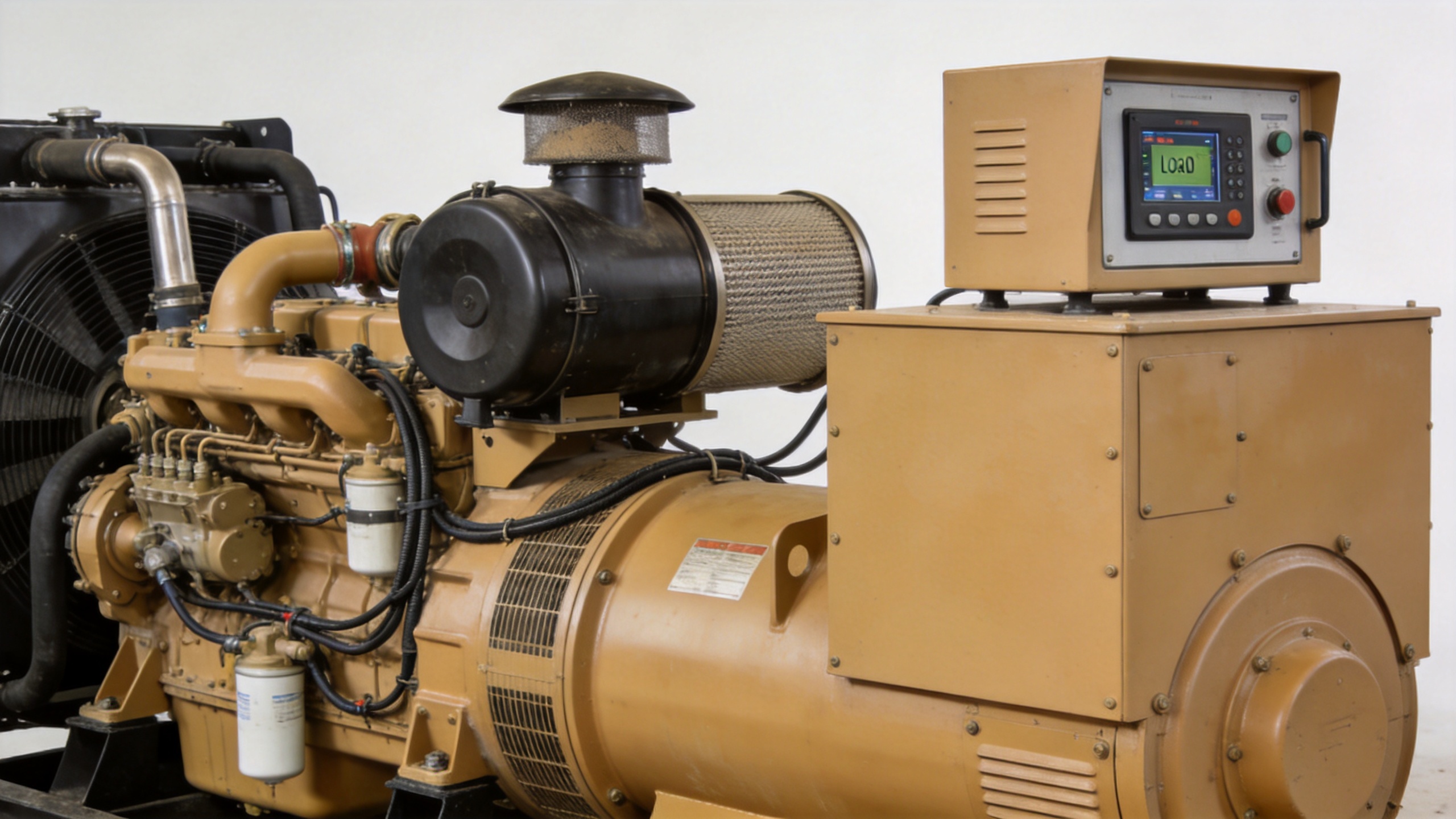
An engine’s published consumption curve is important, but the mine’s fuel system determines whether that performance can be sustained. Poor fuel storage, water contamination, clogged filters, or inconsistent refueling practices can create downtime and waste without changing the nameplate rating. A useful evaluation therefore includes tank autonomy, transfer arrangements, filtration, spill-control requirements, and access for routine inspection.
Maintenance is part of operating efficiency as well. Air filters load quickly in dusty conditions; cooling packages need a clear airflow path; and fuel, oil, and coolant checks must fit the site’s actual maintenance window. Use alarms as practical operating information, not as a decorative control-panel feature. Monitoring oil pressure, coolant temperature, voltage, frequency, battery condition, and fuel level can help a team address deviations before they become a longer interruption.
A practical supplier discussion should cover engine and alternator documentation, consumables, spare-parts planning, local service arrangements, and remote support. Guangzhou JIUAN Mechanical and Electrical Co.,LTD supplies diesel generator sets from 20 to 5000 kVA, including established diesel engine configurations, customization options, ISO/CE certification, and 24/7 support. Those verified capabilities can be relevant to an inquiry, but the selected specification should still be checked against the individual mine’s load study and conditions.
A set cannot deliver sustained value if it is hard to reach or service in the field. For a remote or dusty mine, review enclosure protection, filtration approach, radiator capacity, exhaust routing, vibration isolation, cable entry, grounding, and control-panel placement. The goal is not to add every option; it is to specify features that remove predictable operating friction.
Noise limits, transport routes, crane access, foundation design, and distance from fuel storage also affect deployment. A compact arrangement may ease relocation during exploration, while a production site may prioritize safe access and a stable service area. In either case, adequate clearance around the cooling package and service points matters. A generator that is difficult to inspect tends to receive less timely maintenance.
Modern control panels can log operating hours, alarms, load, and basic electrical values. For a generator for mining, controls may also support automatic transfer, synchronization, or load sharing where the design calls for them. These functions can improve visibility and coordinate multiple units, but they do not correct an inaccurate load estimate or poor cable installation.
Before commissioning, agree on alarm thresholds, test procedures, operator responsibilities, and the escalation path for faults. Test the intended load sequence where it is safe to do so. Then establish a simple review routine: compare logged load and fuel use against the original expectation, inspect recurring alarms, and revise the operating plan if the production schedule changes.
An efficient generator for mining is a matched system: capacity fits the load profile, the rating accounts for the environment, fuel and maintenance practices support steady operation, and controls provide useful operating evidence. Start with measured demand and site constraints, then ask the supplier to document the assumptions behind the proposed rating. That approach gives mine owners, contractors, and generator dealers a clearer basis for comparing options and preparing a generator set for sustained work.
2026/11/04
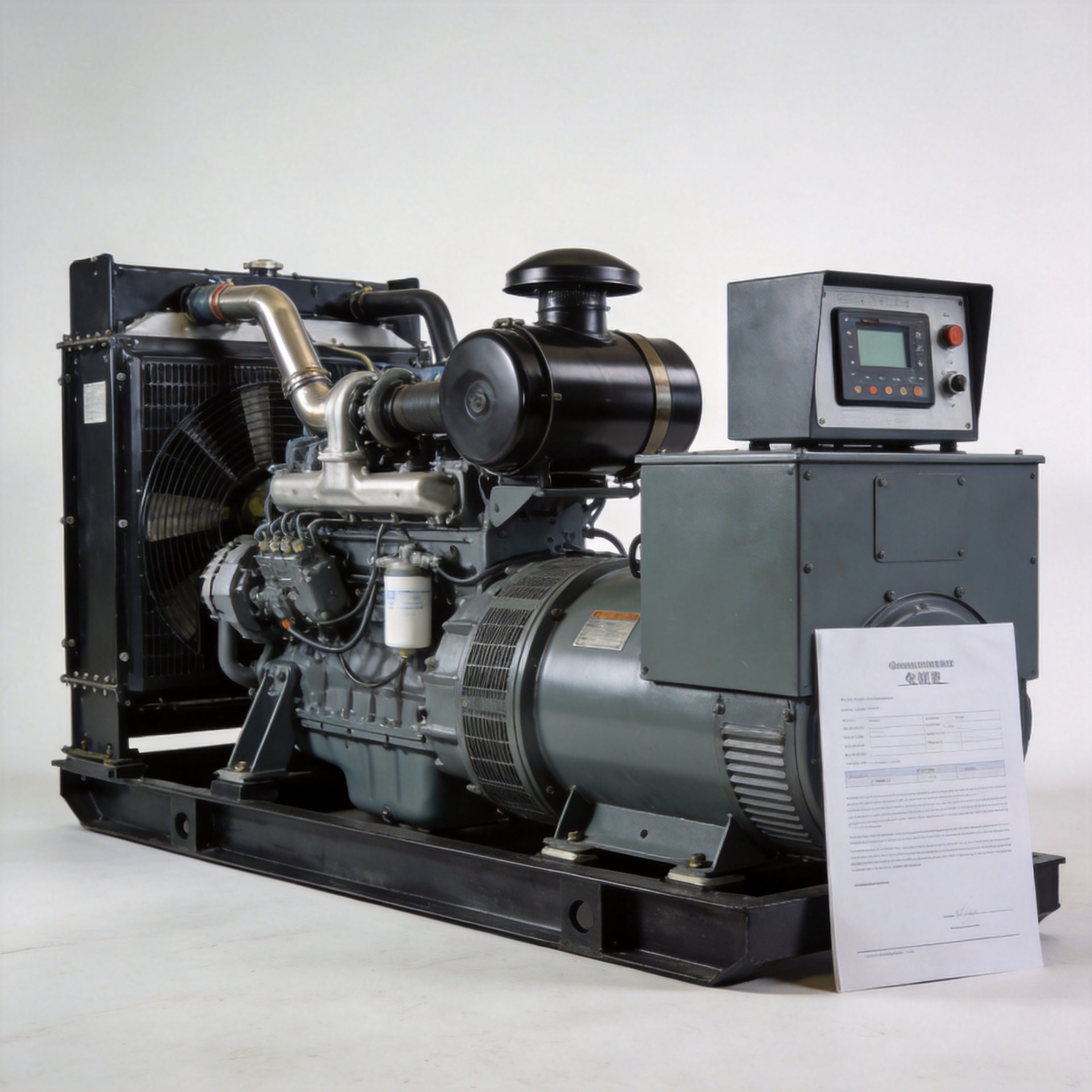
Evaluate diesel generator price for projects by comparing ratings, configuration, scope, testing, and lifecycle support.
2026/11/04
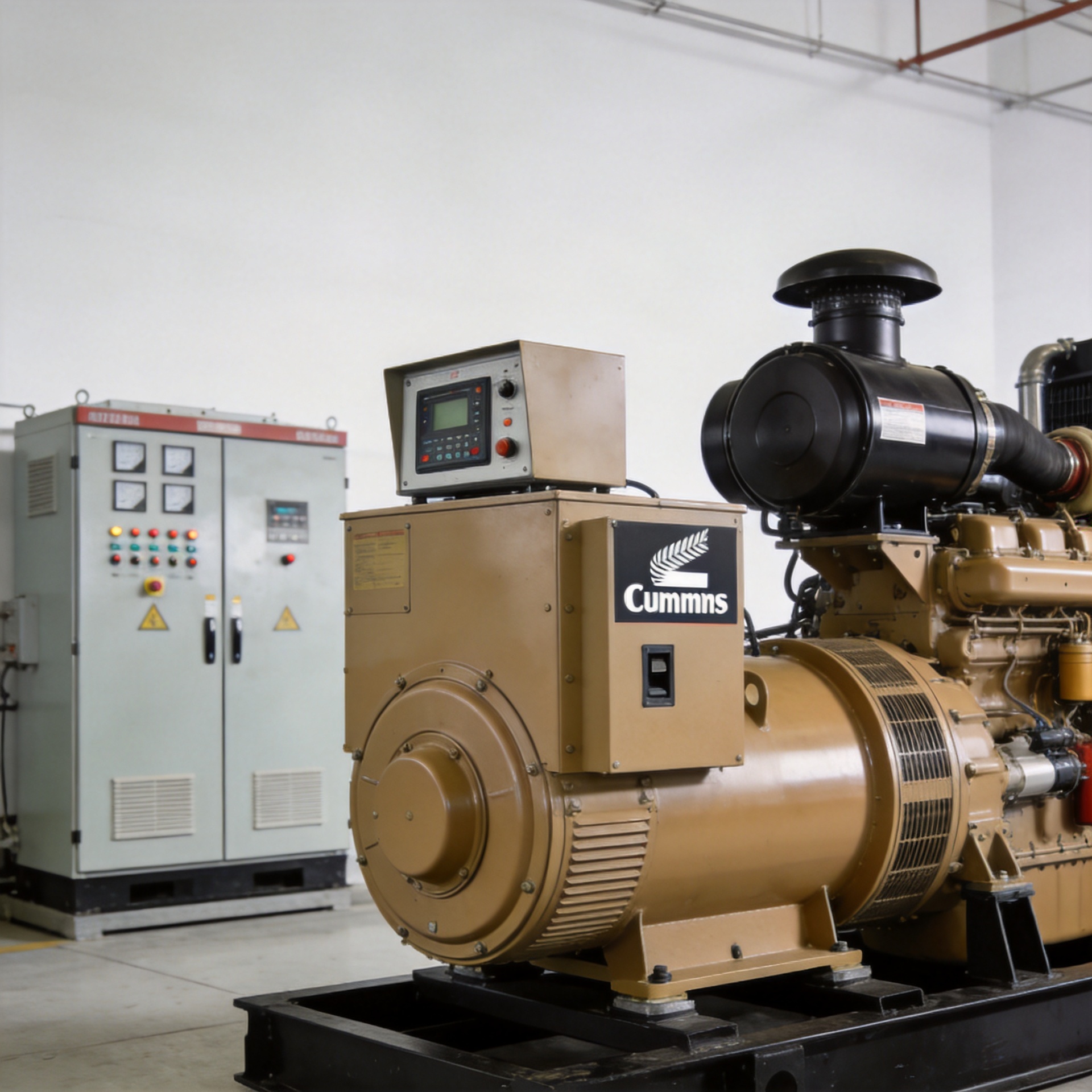
Select a Cummins diesel generator for your plant by checking load steps, duty rating, site conditions, controls, and service access.
2026/11/04
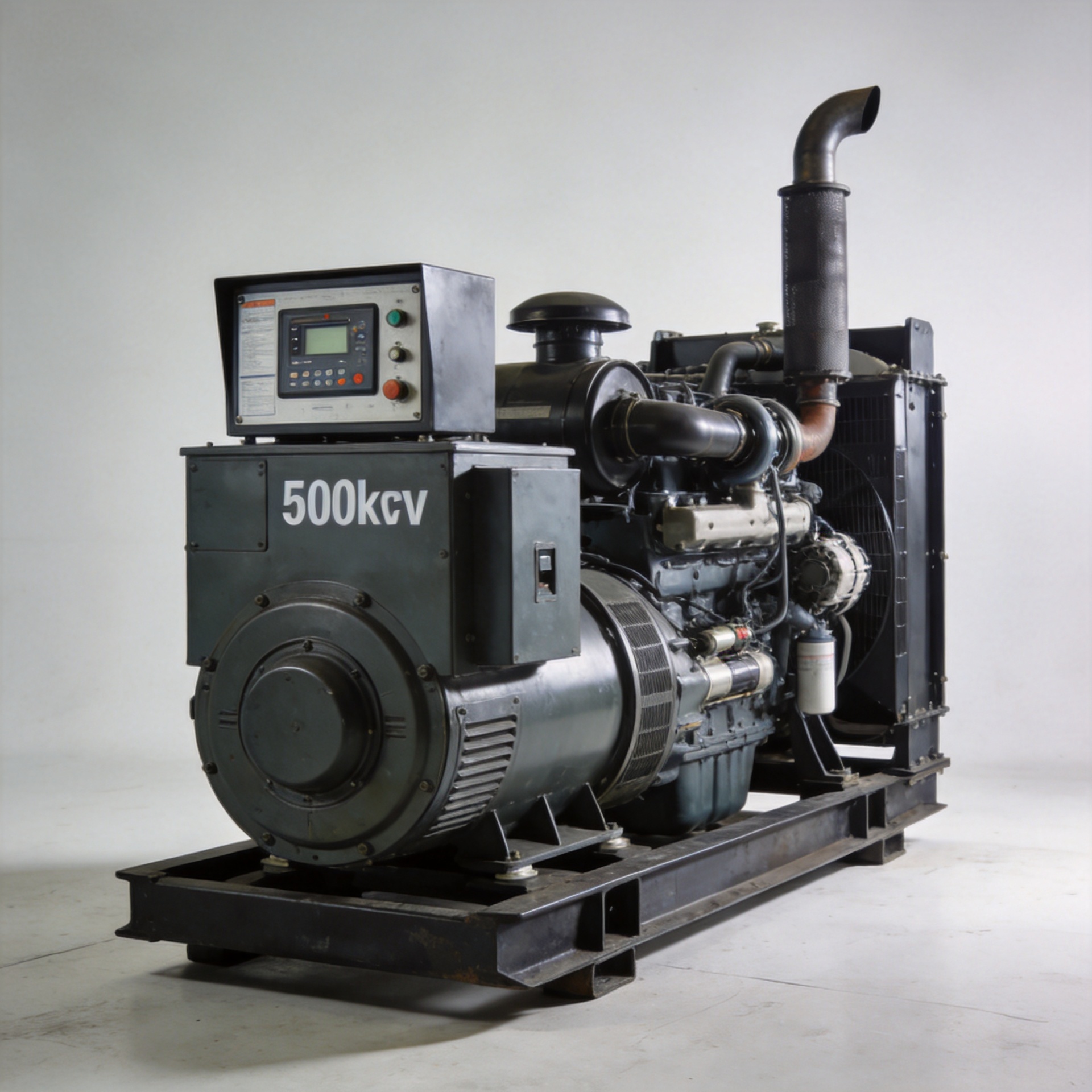
Learn what makes a diesel generator 500kva fit heavy-duty loads, harsh sites, long run hours, and practical service planning.
2026/11/04
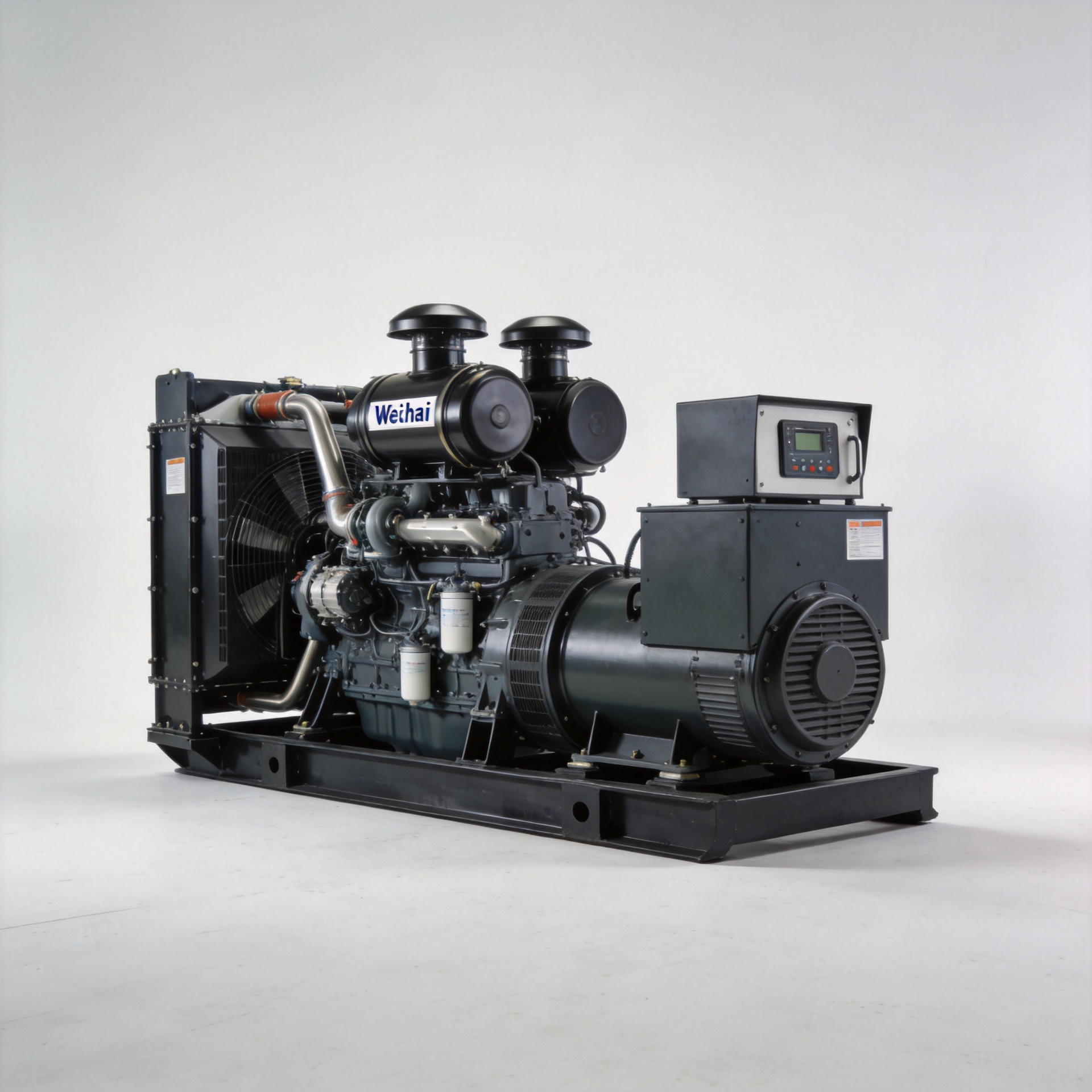
Understand Weichai diesel generator advantages, from power matching and operating economy to service planning for industrial projects.
2026/10/26
Learn how to choose the right diesel generator for your site using load profiles and site conditions with expert guidance from JIUAN.

For all business, partnership, and technical support requests related to diesel generator sets and electrical equipment, our team is ready to respond efficiently and professionally. We ensure clear communication and rapid assistance for every inquiry.
Explore our top diesel generator sets and access professional resources. Download product manuals or industry case whitepapers for in-depth solutions tailored for distributors, contractors, and owners globally.

18+ Years Factory Experience

100% Brand New & High Quality

Power Range: 20kVA to 5000kVA

Cummins, Perkins, Stamford, etc.

Energy Solutions

using only top-tier components