EN
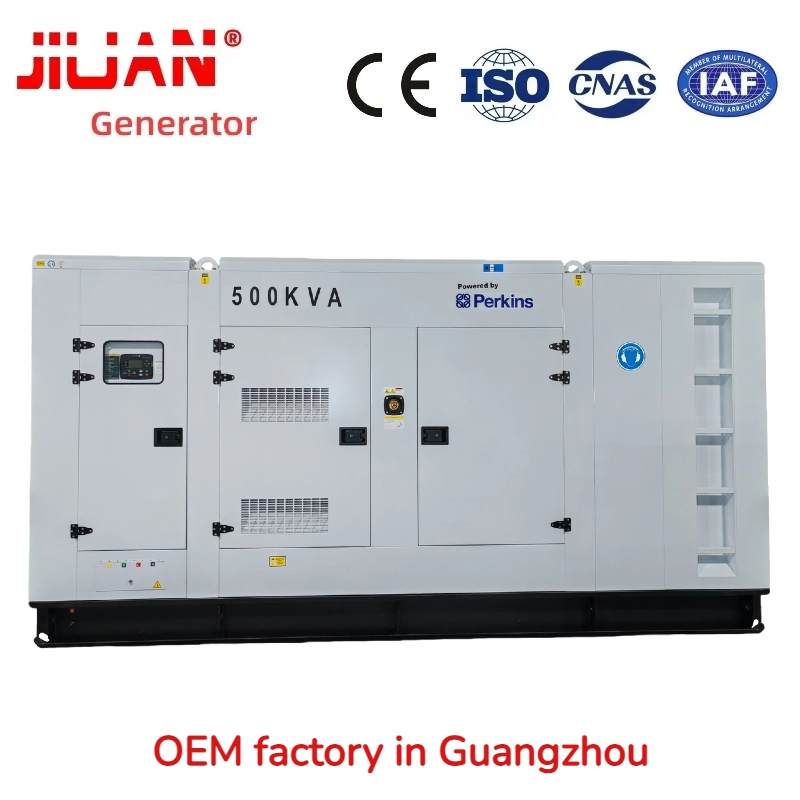
Why Choose a Perkins Diesel Generator System for Global Industrial Projects?
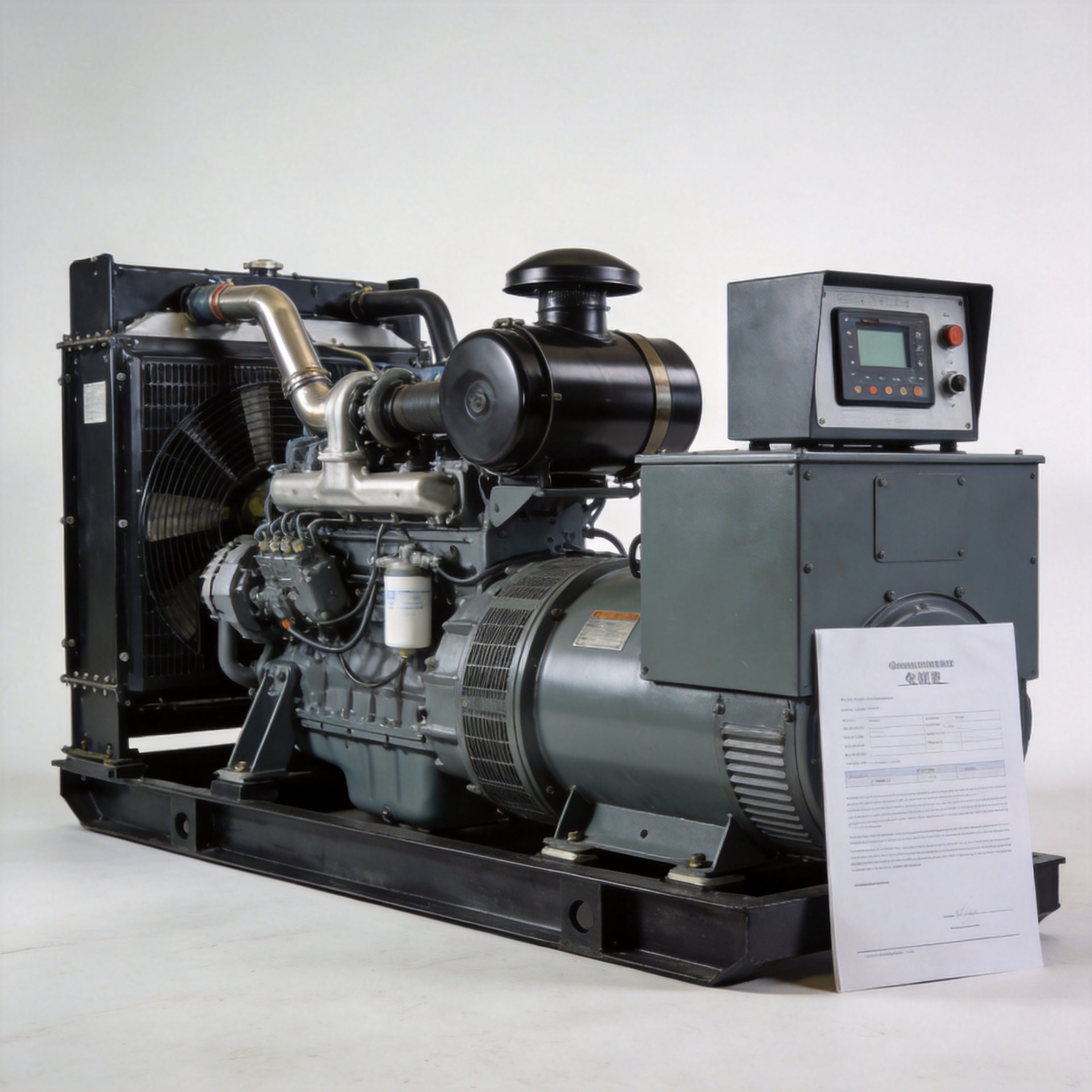
Purchasing industrial backup power is rarely just an engine transaction. For a machinery dealer preparing a competitive commercial bid, a construction contractor protecting an aggressive project schedule, or an industrial facility owner safeguarding essential operations, the ultimate question is straightforward. Can the complete power package be specified, installed, operated, and supported with minimal unexpected hurdles? Selecting a dependable Perkins diesel generator system makes solid strategic sense when its engine, alternator, smart controls, acoustic enclosure, and lifecycle service plan align precisely with the actual operational duty of the site.
This technical distinction holds profound importance for export-driven projects across regions like Africa and South America. In these challenging environments, local fuel supply quality, severe ambient temperatures, complex logistics, and regional maintenance capabilities dictate the true value of a power solution long after initial delivery. Modern industrial buyers rely on seasoned manufacturing partners like JIUAN to translate demanding operating conditions into precise engineering specifications rather than depending merely on a generic equipment nameplate.
Investment Value Begins with a Complete System
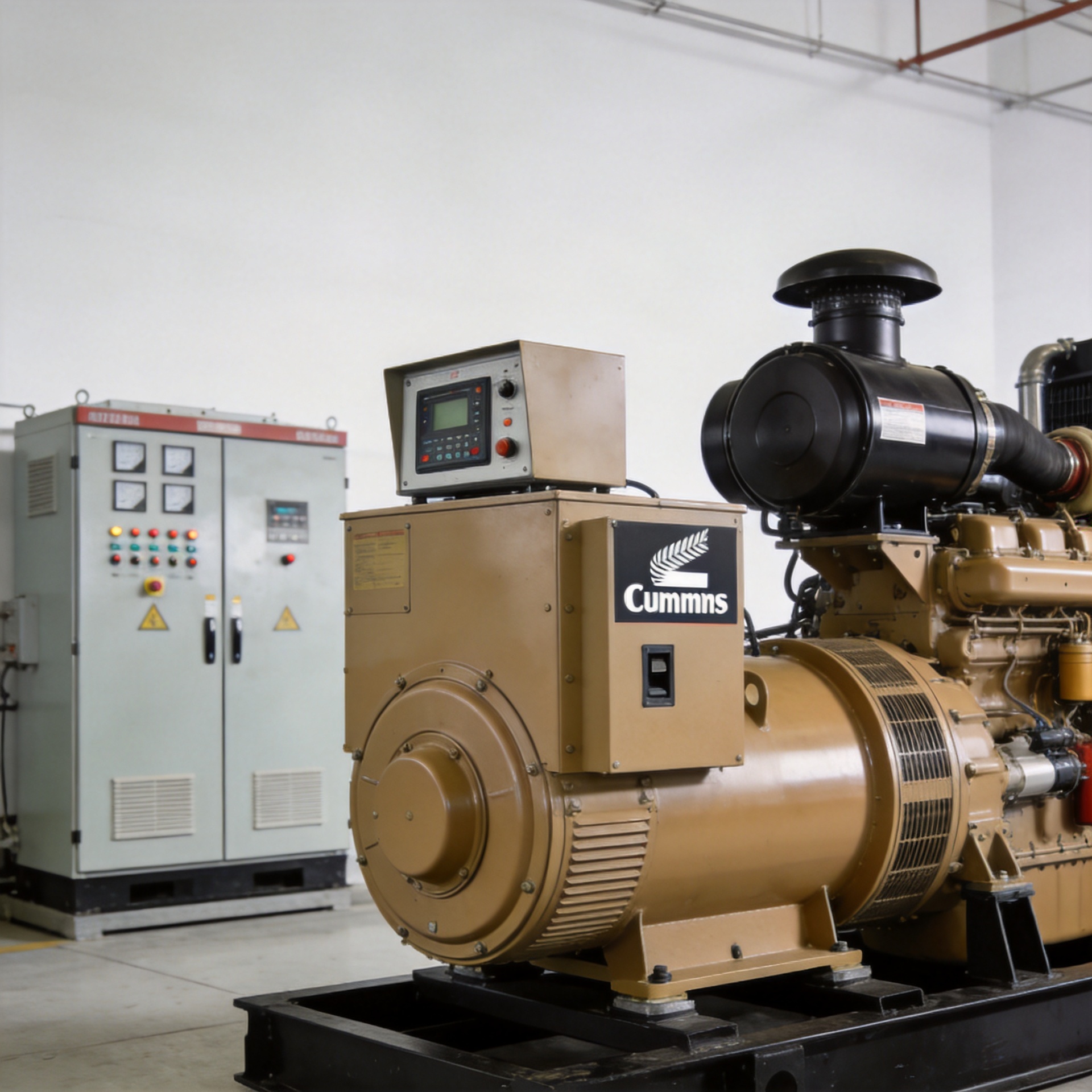
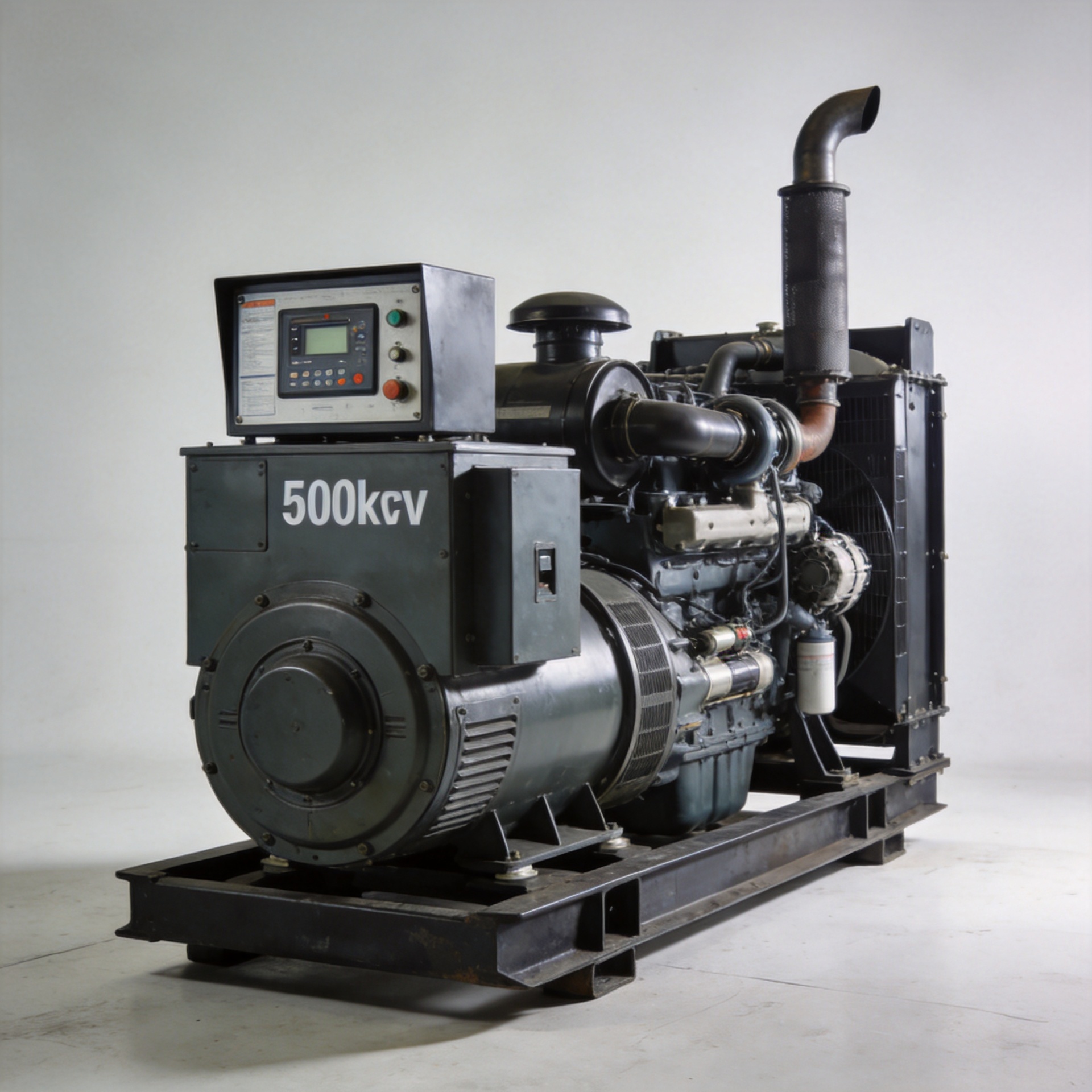
A Perkins diesel generator is frequently evaluated because global buyers associate the underlying engine platform with legendary industrial durability and efficiency. However, an engine represents only a single component of a complex machine. The integrated alternator, advanced controller, optimized fuel arrangement, cooling layout, acoustic treatment, environmental protection level, and professional commissioning roadmap collectively dictate how the generator performs under real-world pressure.
Procurement teams must always compare technical quotations like-for-like. Every supplier should clearly state the precise duty rating, operating voltage, frequency, expected load profile, motor-starting capacity, operating environment, fuel autonomy assumptions, and documentation scope. This rigorous approach gives purchasing managers a vastly superior framework for evaluating proposals than relying solely on a headline kVA figure.
Aligning the Generator with Actual Power Demands
The primary investment test centers on operational duty. Standby service designed for occasional grid interruptions differs fundamentally from prime power designated for a remote industrial facility. Both scenarios diverge significantly from continuous-duty operations supporting heavy mining sites, continuous process lines, or isolated construction camps. A high-performance Perkins diesel generator should always be selected against the intended application duty rather than simply picking the largest number listed on a glossy product brochure.
-
Load Profile: Identify baseline normal loads, peak load spikes, and adequate allowances for future facility expansion.
-
Starting Demands: Heavy electric motors, industrial pumps, and large compressors frequently generate short-term starting surges that require separate electrical evaluation.
-
Power Quality Standards: Sensitive digital controls, variable-speed drives, and parallel running equipment demand a much deeper technical review.
-
Site Ambient Conditions: Ambient temperature, high altitude, airborne dust, relative humidity, proper ventilation, and fuel storage parameters directly impact final system configuration.
Engaging in a structured technical conversation with an experienced supplier exposes critical assumptions early in the planning phase. This strategy dramatically minimizes the risk of purchasing generating capacity that appears sufficient on paper but fails to match the actual operational cycle.
Prioritizing Comprehensive Lifecycle Control
Initial capital expenditure matters greatly, but it never tells the whole financial story. A practical lifecycle review must account for fuel consumption efficiency at expected operational loads, physical maintenance access, planned service intervals, routine consumables, proactive spare-parts planning, operator training programs, and the financial cost of unplanned downtime. These factors carry immense weight where remote sites depend entirely on generated power to protect production targets or meet strict project deadlines.
A robust Perkins diesel generator package becomes a sensible investment choice when buyers secure a transparent technical schedule and a realistic, dependable support plan. No single brand completely eliminates operational risk on its own. True risk mitigation stems from building a customized package whose maintenance and operating requirements remain entirely transparent before any commercial commitment is finalized. A thorough investment review must seamlessly connect electrical load requirements, operational duty cycles, and physical access for routine maintenance tasks.
Delivering Defensible Specifications for Dealers and Contractors
Equipment dealers require a compelling product story that translates smoothly into a winning customer quotation. Civil and electrical contractors require a generator set that integrates seamlessly with civil works, complex cable routes, exhaust routing, proper ventilation, and milestone handovers. Documented engineering configurations carry far more value in competitive tenders than broad, unsubstantiated claims regarding equipment reliability.
Useful bid documentation outlines the specific engine and alternator arrangement, controller functionalities, sound enclosure expectations, base fuel tank capacities, safety protection devices, engineering drawings, and formal factory acceptance criteria. If an upcoming project requires advanced synchronization, automated remote monitoring, an automatic transfer switch, or non-standard industrial voltage, list these elements as explicit requirements rather than assuming they are standard features.
Making Serviceability a Core Technical Priority
Proper maintenance planning must begin long before the generator set arrives at its final destination. Investing in a reliable Perkins diesel generator requires evaluating physical access for routine checks, safe fluid drainage and refilling, filter replacements, battery inspections, cooling-system servicing, and control-panel troubleshooting. While the ideal maintenance plan varies by site, the core principle remains universal: routine servicing must be entirely practical for the local technicians and available tools.
For cross-border and international projects, buyers must also confirm assigned service contacts, recommended spare-parts inventories, technical documentation language, commissioning scopes, and formal escalation pathways for complex technical inquiries. While an expert supplier helps organize these operational elements, each project team must independently verify what is included in their contract scope.
Assessing True Environmental Resilience
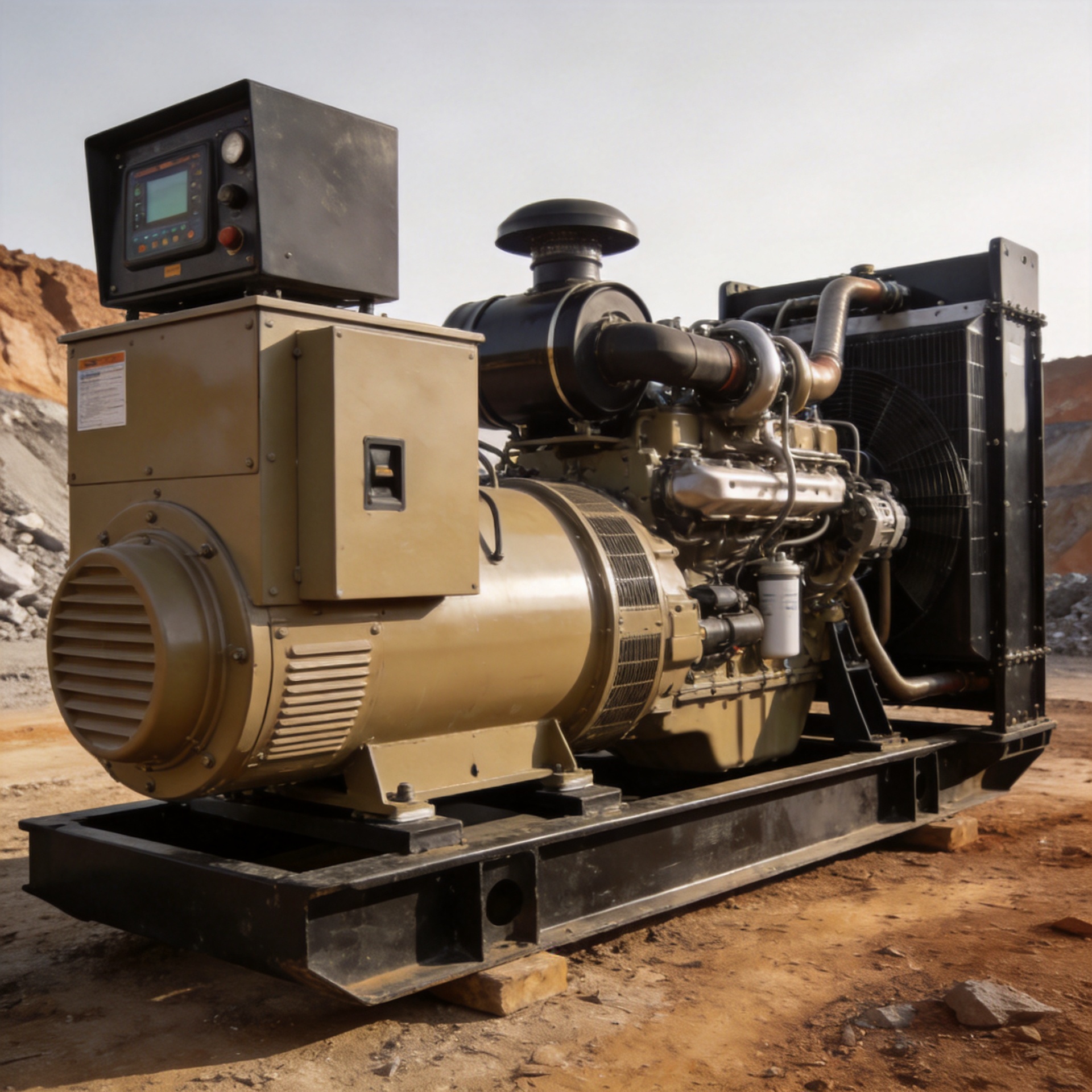
Severe heat, blowing airborne dust, seasonal torrential rains, variable fuel quality, and long international transport routes can completely alter project priorities. A mining enterprise will naturally prioritize continuous-duty planning and superior maintainability. A commercial data center or healthcare facility will prioritize rapid automatic starting and seamless integration with essential safety loads. A civil contractor may place maximum emphasis on robust enclosure durability, lifting lugs, and installation convenience.
Rather than assuming a single standard configuration suits every geographical region, project stakeholders should specify local site conditions and evaluate how the proposed power system addresses them. This tailored approach proves highly beneficial for industrial buyers across global markets because it keeps commercial tenders strictly focused on actual site risks.
Summary of Strategic Power Investments
Securing a dependable Perkins diesel generator system proves to be an exceptional strategic decision when the equipment is meticulously sized for actual electrical loads, custom-configured for local environmental extremes, and backed by clear documentation and structured maintenance planning. For equipment distributors, engineering contractors, and industrial asset owners, the most dependable investment case relies on a traceable engineering specification that bridges power requirements, site realities, and long-term service commitments. JIUAN leverages advanced manufacturing expertise and robust global supply chain capabilities to help buyers organize load profiles, operating duties, and installation inputs for successful project execution. Final ratings, configuration details, and delivery scopes should always be verified in formal technical documentation.